 |
|
||||||
 |
|
|||||



 |
 |
 |
 |
 |
 |
 |
 |
|
|
||||||
|
|
|||||
|
|
|
|
|
|
|
|
|
|
|
#1
 09-28-2020, 10:14 AM
|
|||
|
|||

Ok, still small cropped, we'll do it the hard way.
shaded hat no bars Unshaded hat regular red bars at sides Unshaded hat bright pink bars at sides A bit of pixelation here and there, wiht the images sourced from Ebay and auction houses and here the sizes and quality are variable. In the spreadsheet I resized most for consistency. The Jackie is one of the tougher ones to spot the bright pink. I used the image I chose because the card is a bit out of register and has a random spot , both showing the pink more clearly. On cards with red backgrounds or name boxes it's much easer. 
|
|
#2
09-28-2020, 10:58 AM
|
|||
|
|||
|
The color variations is so amazing as in NO QC for using ink colors that were remotely similar in many cases. I could be totally off base but I feel like the Jackie with the hat details came first and was changed after. I guess it is not unheard of that details would be added in by creating a new plate, but it is usually the other way around. I would make the same argument for Stan Musial, that the plate was corrected to let more red come through, and have less black printed. You can basically see the line that was masked to allow this to happen.
Thanks for all the great info, it has made going through my set and doubles that much more enjoyable.
|
|
#3
09-28-2020, 02:21 PM
|
|||
|
|||
|
Each color has its own plate.
removing stuff from a plate is easy, adding it to an existing plate is hard. (well, not hard if all you want is a line or to strengthen a small letter, you can just scratch that in. But adding shading is a new plate situation. The colors would have been mixed by hand to get a particular shade that would reproduce the colors better. Black is pretty much always the same, but for one press run at least, they used the Magenta straight instead of mixing it to red. Cyan was probably also used unmixed at one point. And yellow, but that's usually the first color printed, so it's the hardest to tell. They were all on the same sheet as far as I know, so there should be differences on every card. I haven't counted, but I think I found maybe 1/4 of the different ones. At least three different main groups, plus some intermediate ones.
|
|
#4
09-28-2020, 02:44 PM
|
|||
|
|||
|
1949 LEAF cards
Quote:
Steve This is true....here is an old photo (circa 1981) of an uncut sheet of 1st series cards. Along with a diagram of the card #'s on their backs.  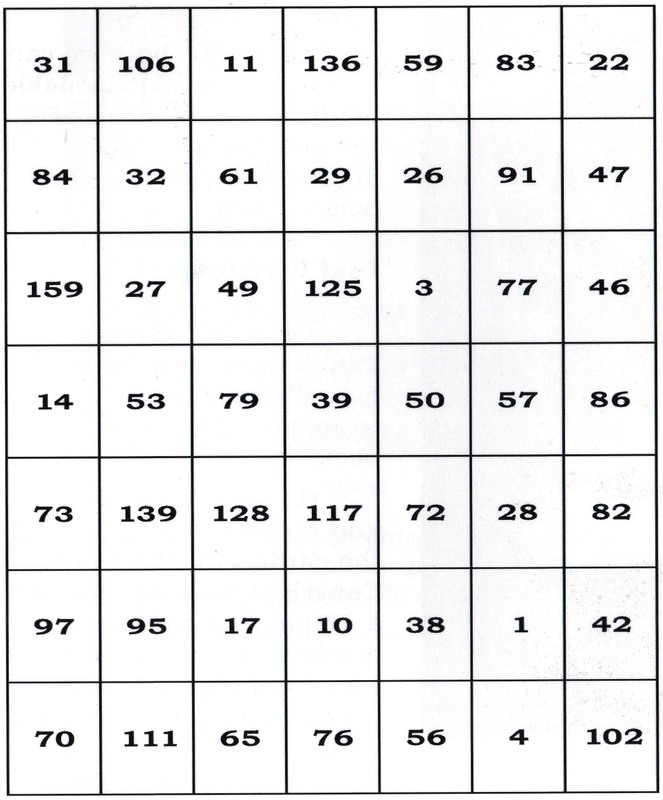 TED Z T206 Reference .
|
|
#6
09-28-2020, 02:44 PM
|
||||
|
||||
|
I feel like I've run into a wall here:
 The face color on the above four cards are all different. On top of that, we're trying to look at the bars/no bars + shaded cap/no shaded cap. This is getting tough! How would you guys break the above cards down?
|
|
#7
09-28-2020, 02:52 PM
|
|||
|
|||
|
Quote:
The difference in face color speaks to the Print Variations that Ted references earlier in the thread.
|
|
#8
09-29-2020, 10:04 AM
|
|||
|
|||
|
Quote:
2 and 4 are the same.
|
|
#9
09-29-2020, 06:20 PM
|
||||
|
||||
|
Quote:
|
|
#10
09-30-2020, 09:41 AM
|
|||
|
|||
|
Quote:
Long stuff follows, short version is there are just so many variables It's not really possible to say for sure. There are lots of things that can affect color like that. If the plate is dampened slightly less it will retain more ink. On most presses the inking level can be adjusted. There are a few things that can be done to stretch the available ink if for instance you have an hour left in the day, or you're on the last few hundred sheets but getting low on ink. All the ones I can think of would change the color slightly. Humidity and temperature can affect how the paper absorbs the ink, how the ink goes on the plate etc. If the shop is consistent, it's not much different. But whoever did the printing for Leaf obviously wasn't into consistency.. Stuff like inking levels can indicate different press operators, some may run heavier than others. Typically you'd print one color on a particular day, for high production it would be over multiple days, and maybe multiple shifts. The place I was at each operator typically used one particular press, but it's possible their plant assigned operators to certain jobs if it was a multi day thing, or that someone was out sick or hurt, and another operator took over. I think a lot of what Leafs printers did was out of economy. Over thousands of impressions, heavy inking uses more ink and cuts into the bottom line a little. Getting rid of the side bars uses less ink. Inking less heavily and maybe adding a touch of white ink to the yellow uses less, (white and black may have also been cheaper as the pigments are less expensive. ) In some ways not having the side bars looks a little better, and adding the hat shading makes it better still. And uses way less ink than the sidebars. (And very very little on the non-Portraits. )
|
 |
|
|
 Similar Threads
|
||||
| Thread | Thread Starter | Forum | Replies | Last Post |
| 67 Carew rookie print variation | rsdill2 | Postwar Baseball Cards Forum (Pre-1980) | 4 | 04-14-2016 07:45 PM |
| Stargell Print Variation? | savedfrommyspokes | Modern Baseball Cards Forum (1980-Present) | 0 | 12-20-2014 03:03 PM |
| 1974 Topps #599 Large Print variation | Archive | 1950 to 1959 Baseball cards- B/S/T | 0 | 06-23-2008 11:08 AM |
| I think I found a rare Obak print variation | Archive | Net54baseball Vintage (WWII & Older) Baseball Cards & New Member Introductions | 12 | 09-14-2007 03:09 PM |
| Cool print variation | Archive | Net54baseball Vintage (WWII & Older) Baseball Cards & New Member Introductions | 5 | 08-08-2007 10:36 AM |


 Hybrid Mode
